
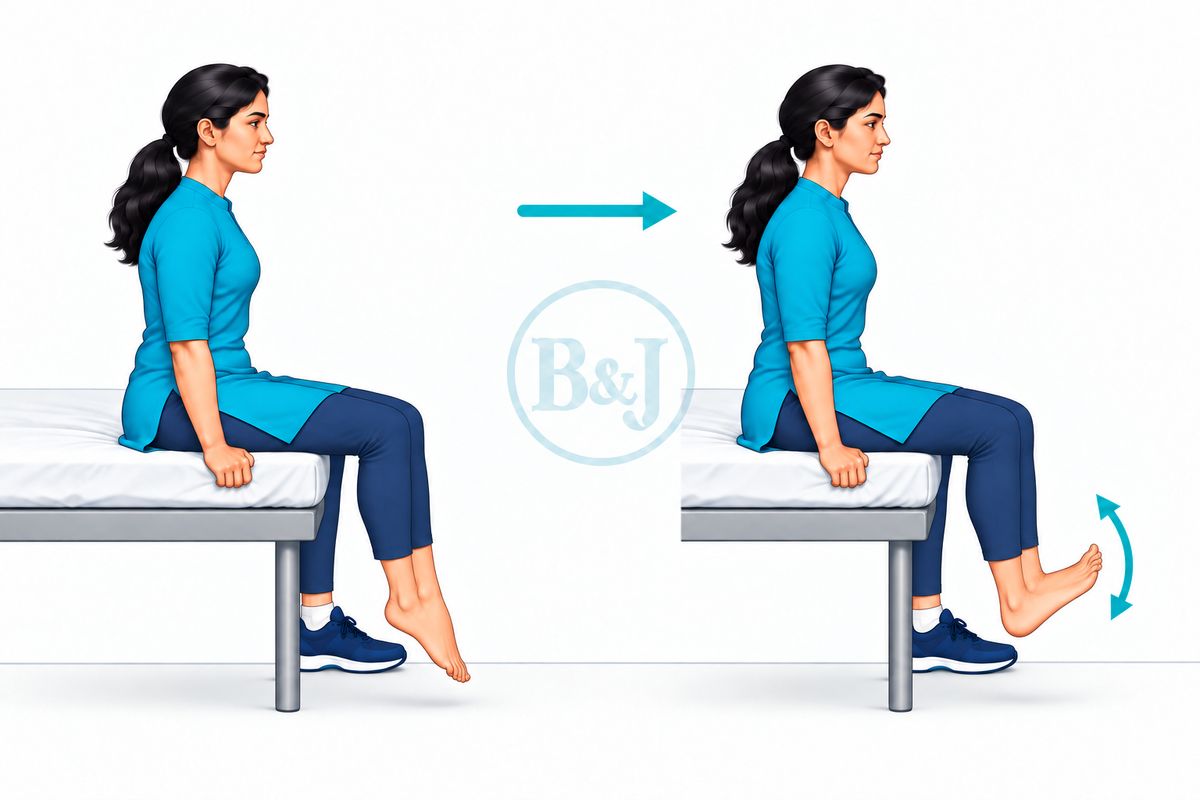
Ankle pumps
Pump the feet up and down to keep the blood moving.
- 10 times
- Every hour
Should feel: The calf working Should not feel: Calf pain or swelling — tell us
Home / Patient library / Exercise sheets / Sheet 72
Foot & ankle · After surgery on a broken bone
Count the weeks from the day of your operation. The date is on your discharge card.
If your doctor wrote a different plan on your prescription, follow that instead of this page.
A4 PDF, 0.7 MB. Free to download — no sign-up, no email address needed.
Bring the swelling down: rest with the ankle above the hip and the knee straight. Keep the ankle moving.
Weight bearing
Nail Full, as comfortable, with a walker, unless we tell you otherwise.
Plate As written on your prescription.
Pump the feet up and down to keep the blood moving.
Should feel: The calf working Should not feel: Calf pain or swelling — tell us
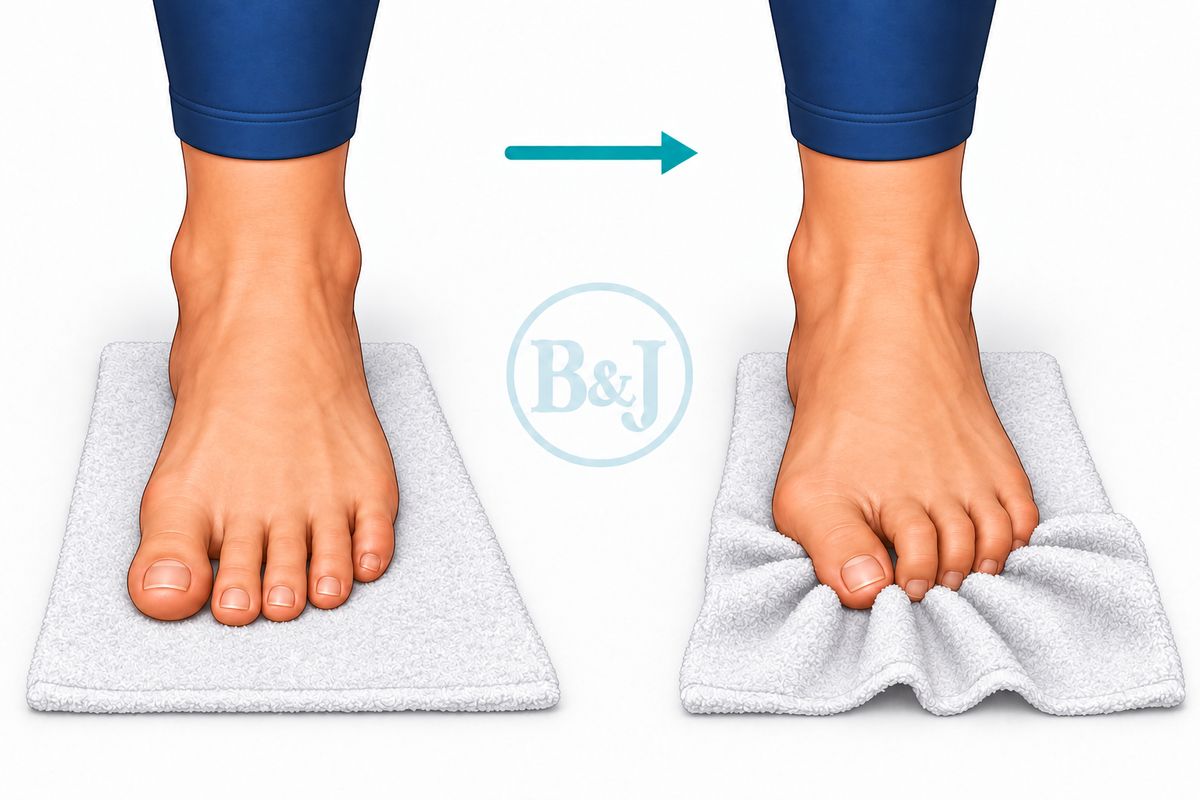
Scrunch a towel with the toes.
Should feel: The foot muscles working Should not feel: Cramp
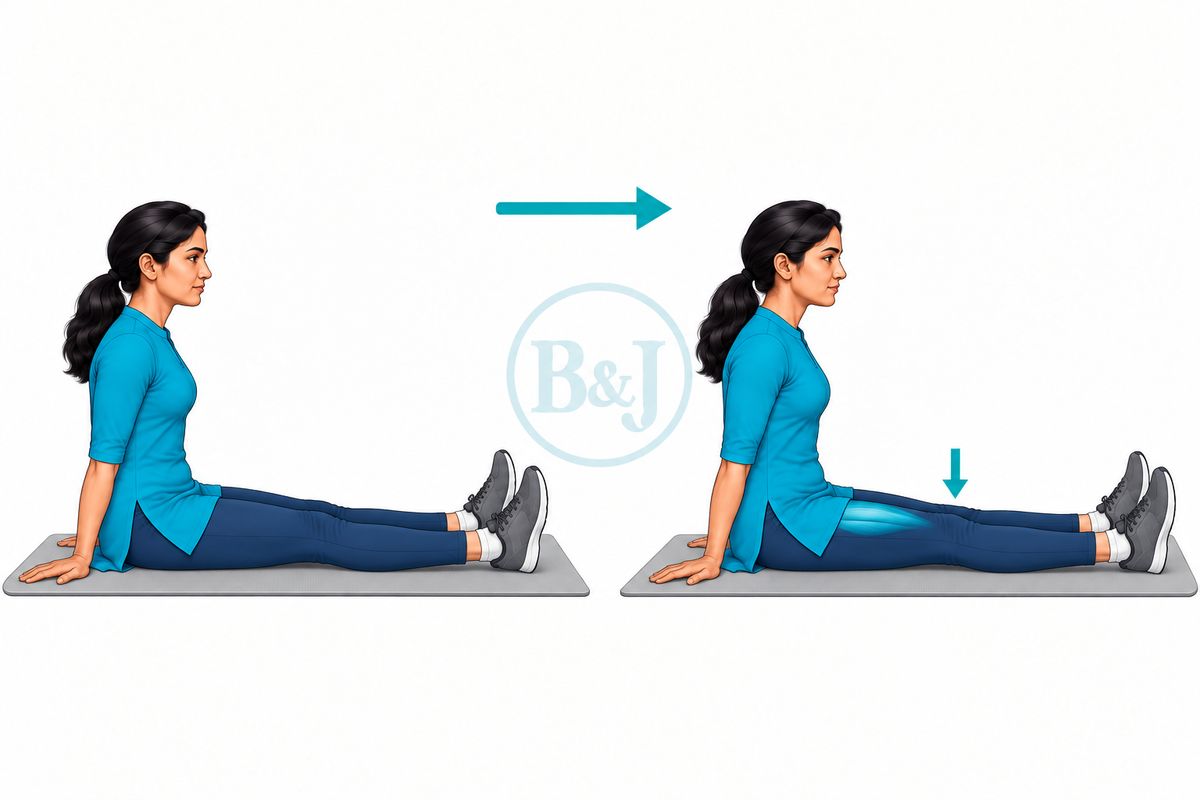
Sit with the leg straight. Press the back of the knee down and tighten the thigh.
Should feel: The thigh muscle tightening Should not feel: Knee pain
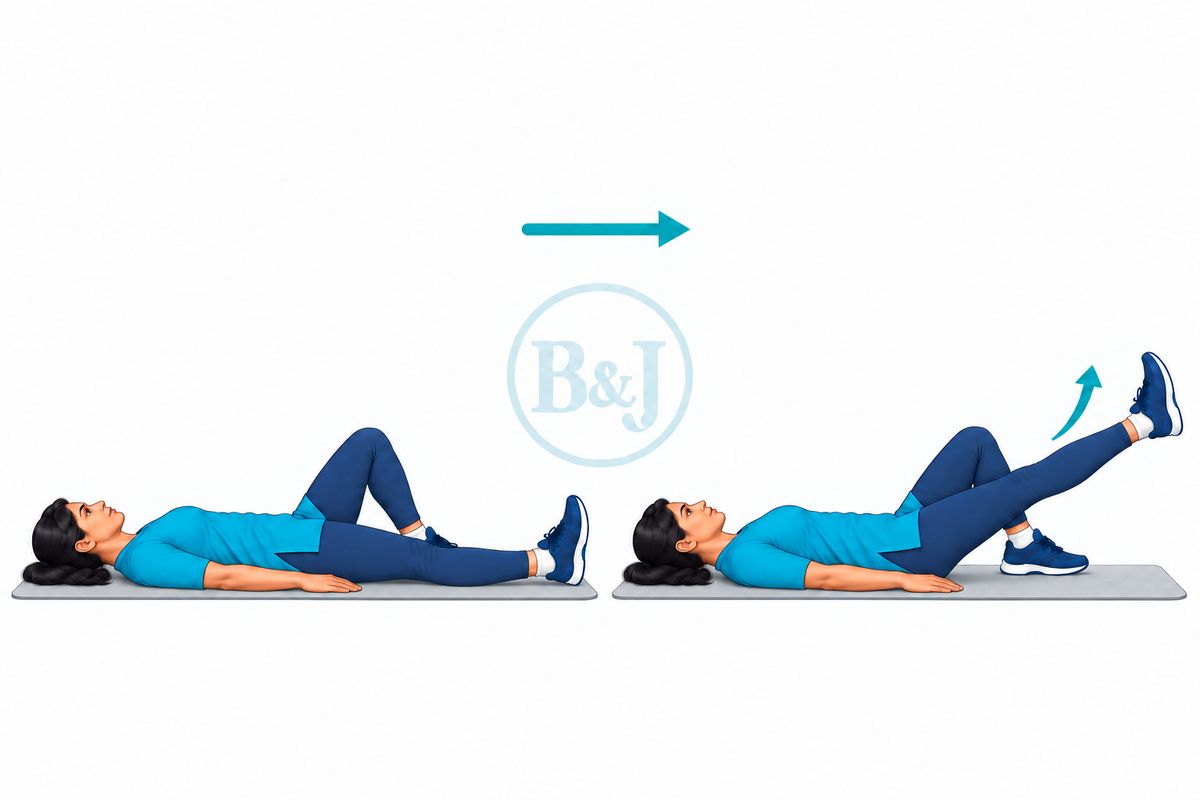
Lie down, one knee bent. Keep the other knee straight and lift the leg 20 cm.
Should feel: The thigh working Should not feel: The knee bending or back pain
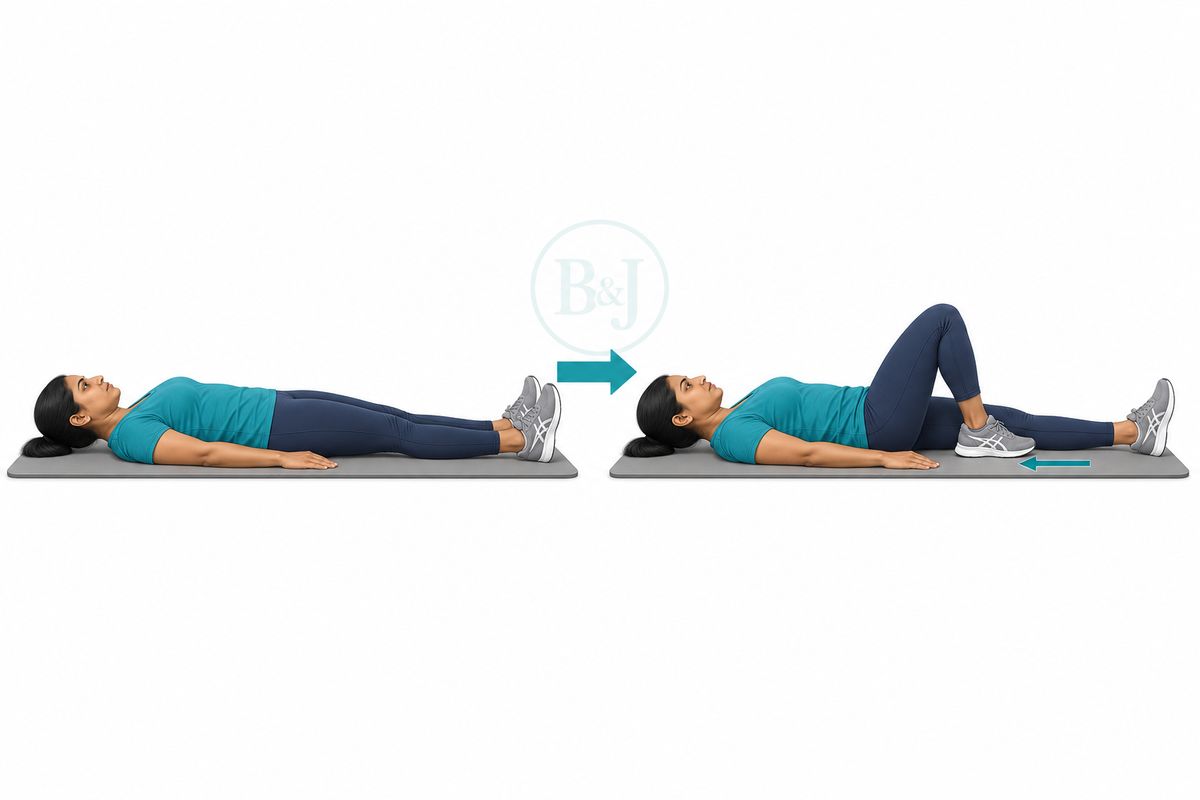
Lie down and slide the heel up towards the buttock, bending the knee as far as you can.
Should feel: A stretch as the knee bends Should not feel: Sharp pain at the wound
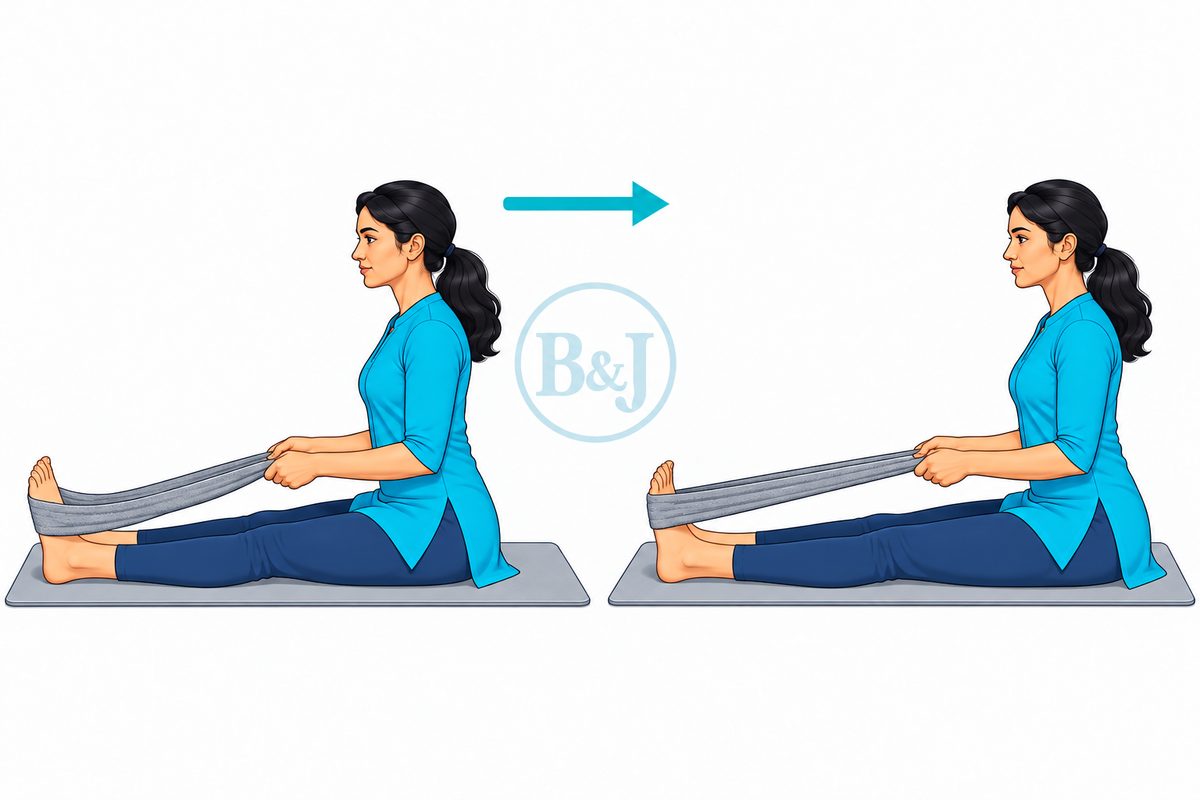
Sit with the leg straight. Loop a towel round the ball of the foot and pull the toes towards you.
Should feel: A stretch in the calf Should not feel: Sharp pain
Not yet Letting the leg hang down for long, a pillow under the knee, or driving.
Move to the next stage only after we have seen you, and the X-ray if one was planned.
Full ankle and knee movement; walk with support. Carry on with the earlier exercises.
Weight bearing
Nail Full. Move from the walker to crutches.
Plate As written on your prescription. It increases as the X-ray shows healing.
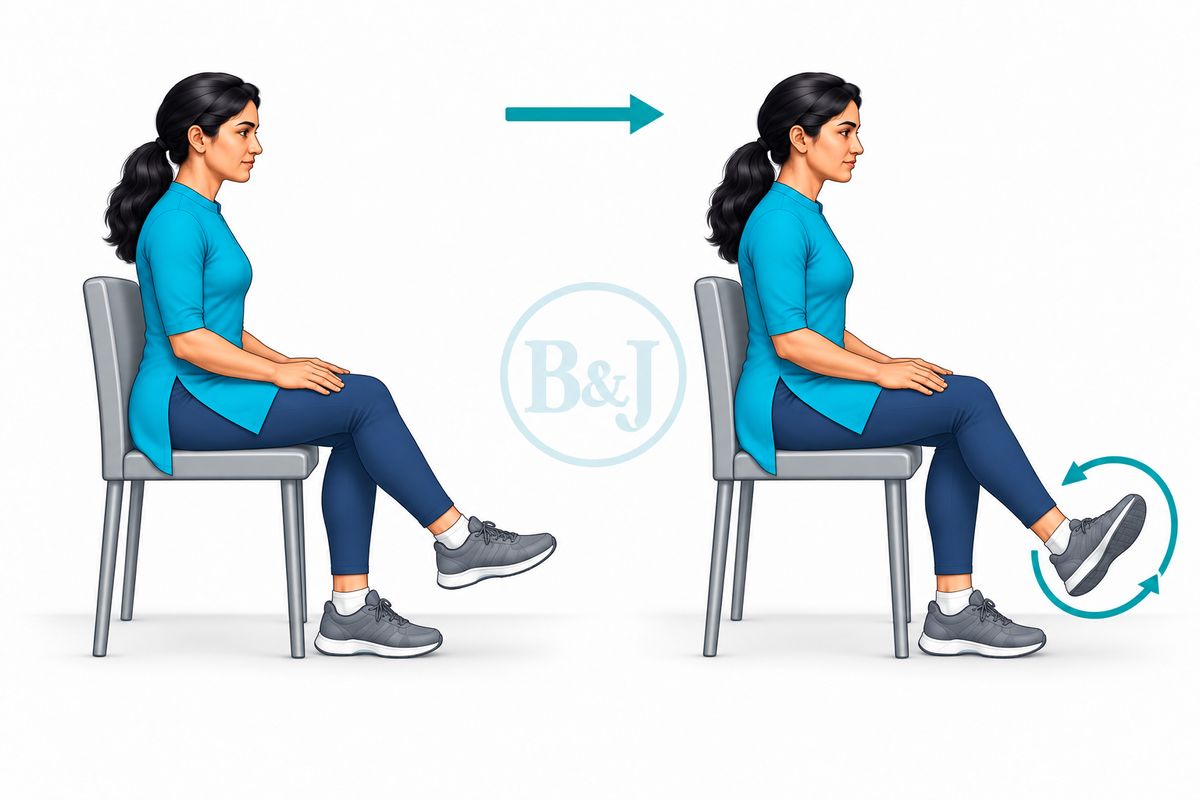
Move the ankle slowly in circles both ways.
Should feel: The ankle loosening Should not feel: Sharp pain
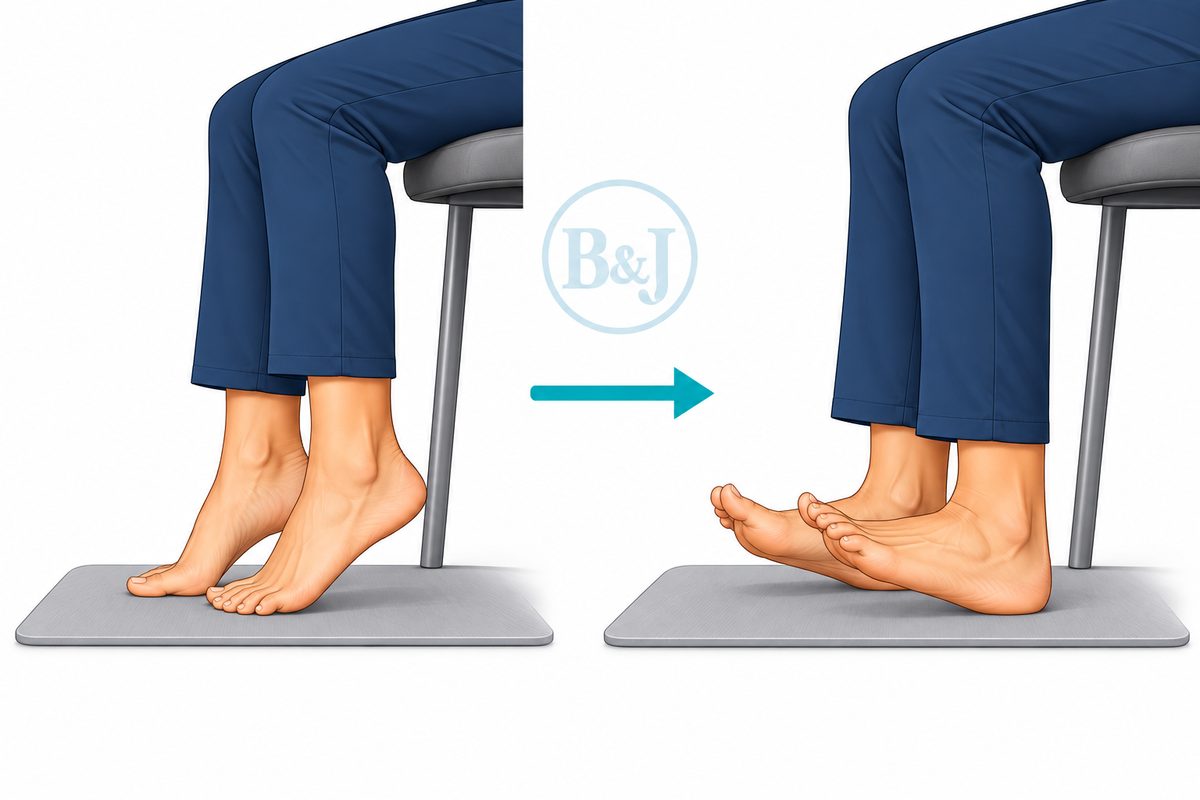
Sit with both feet flat on the floor. Lift the heels, lower them, then lift the toes.
Should feel: The calf and the front of the shin working Should not feel: Sharp pain
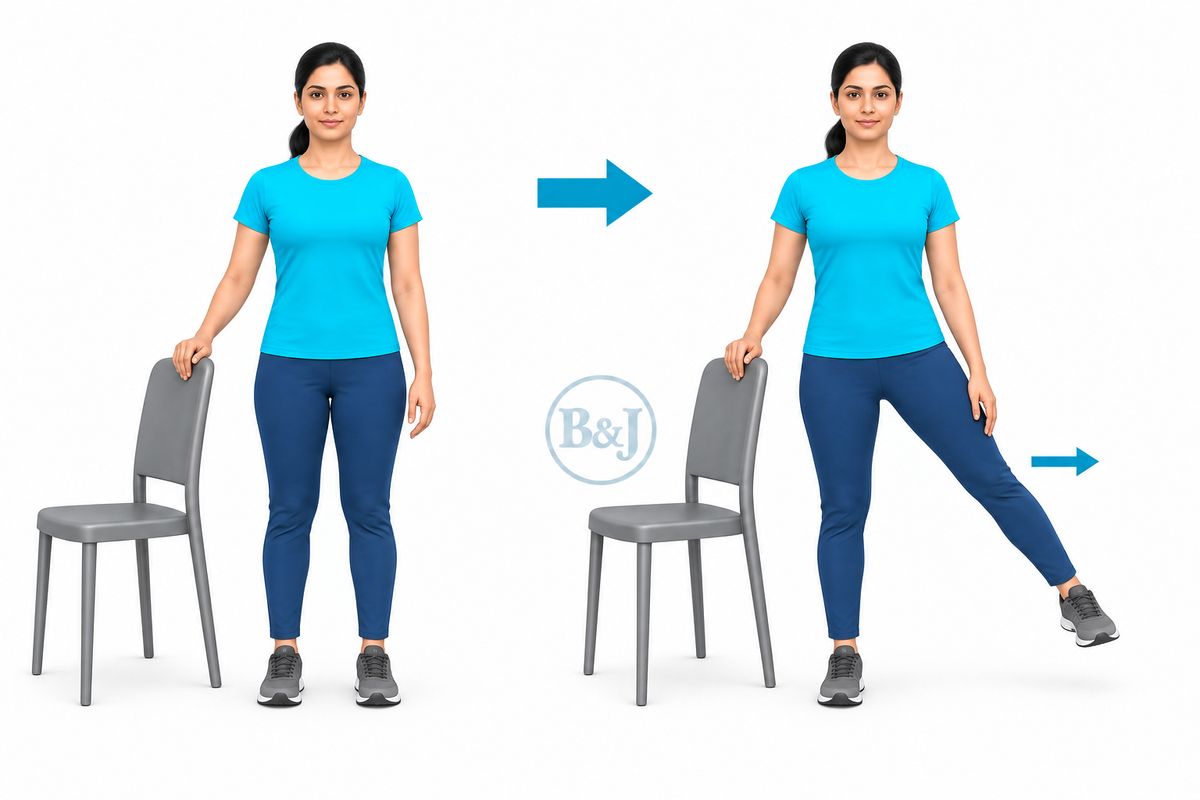
Hold a chair. Lift the leg out to the side, keeping the body upright.
Should feel: The side of the hip working Should not feel: Leaning over
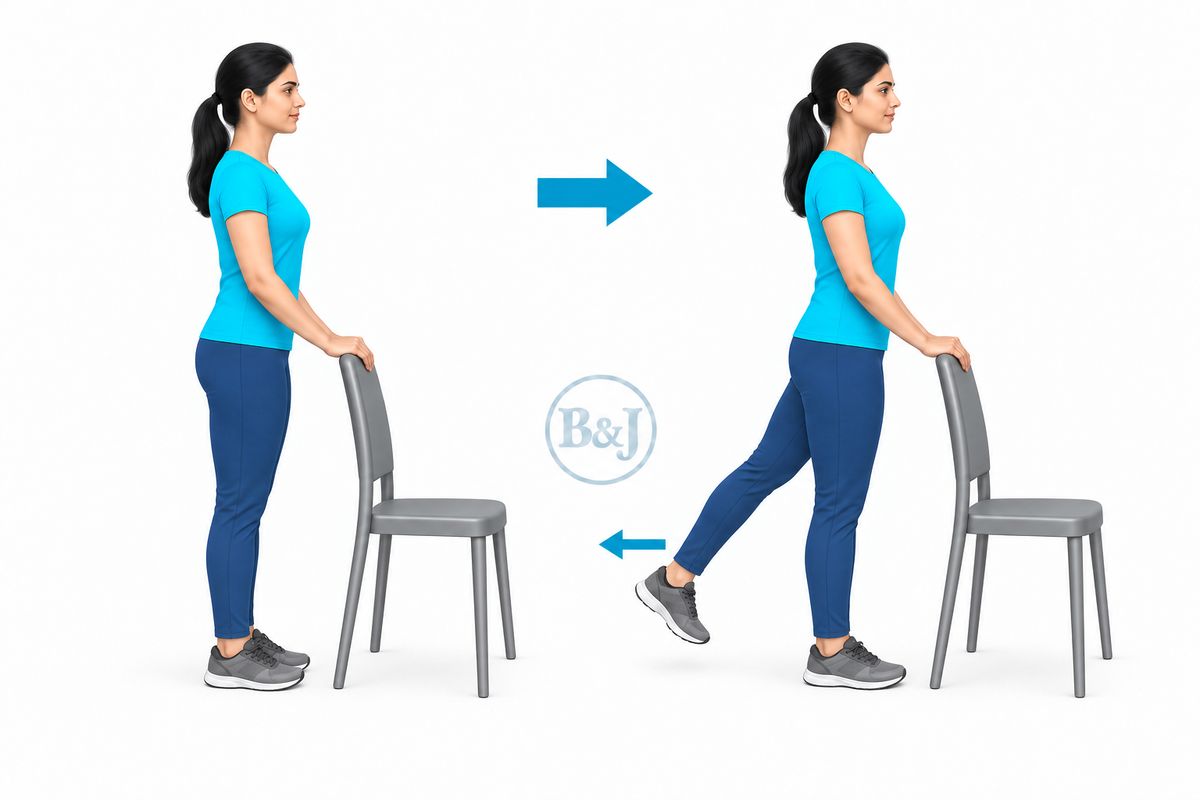
Hold a chair. Take the leg backwards, keeping it straight.
Should feel: The buttock working Should not feel: Arching the back
Not yet Running, jumping, or kneeling on the operated knee.
Move to the next stage only after we have seen you, and the X-ray if one was planned.
Walk without a limp; build calf strength and balance. Carry on with the earlier exercises.
Weight bearing
Nail Full. Cut down the walking aids.
Plate As written on your prescription, as the X-ray allows.
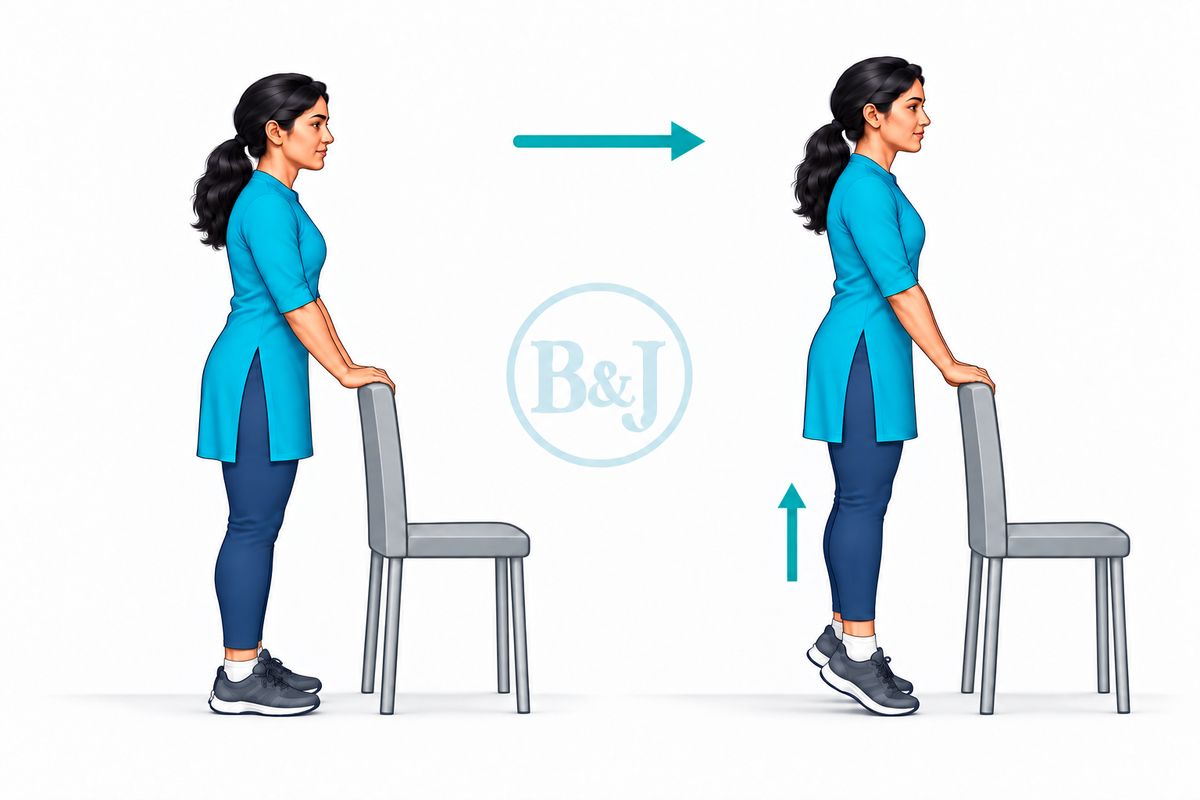
Rise onto both toes and lower under control.
Should feel: The calf working Should not feel: Sharp pain
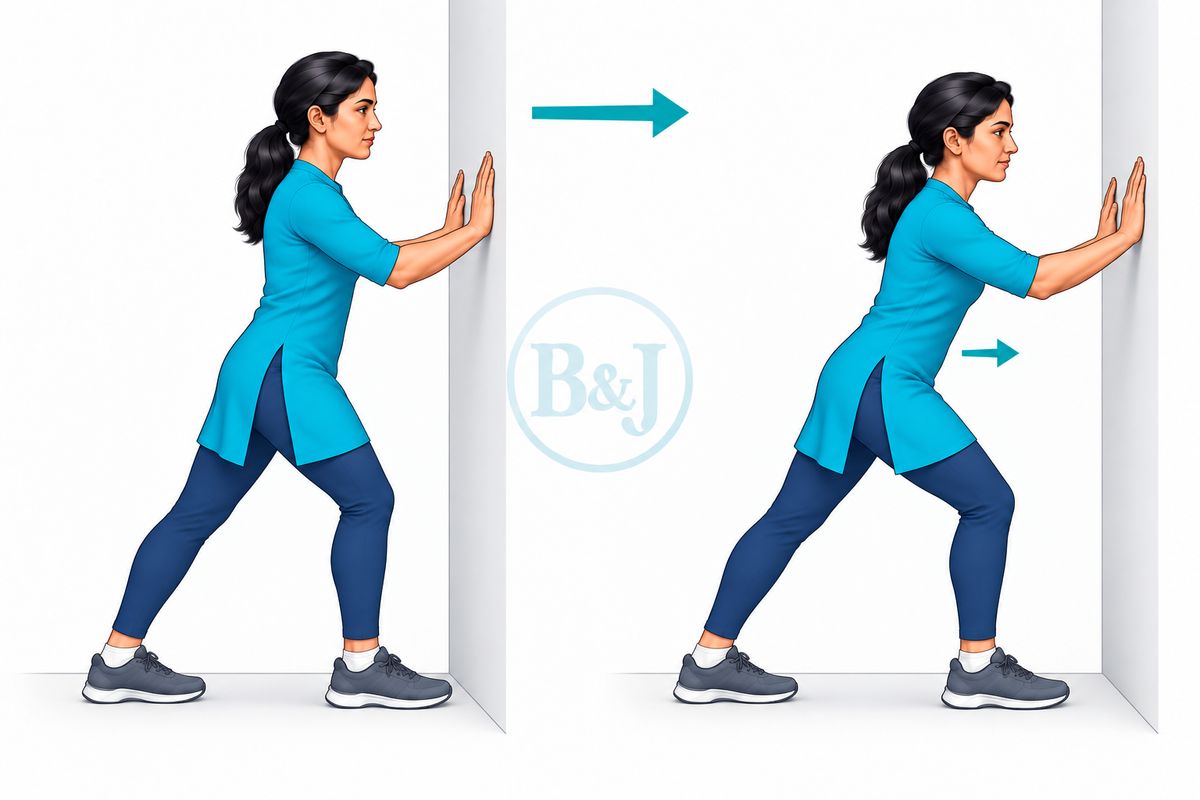
Hands on a wall, back leg straight, heel down.
Should feel: A stretch in the upper calf Should not feel: Pain in the heel
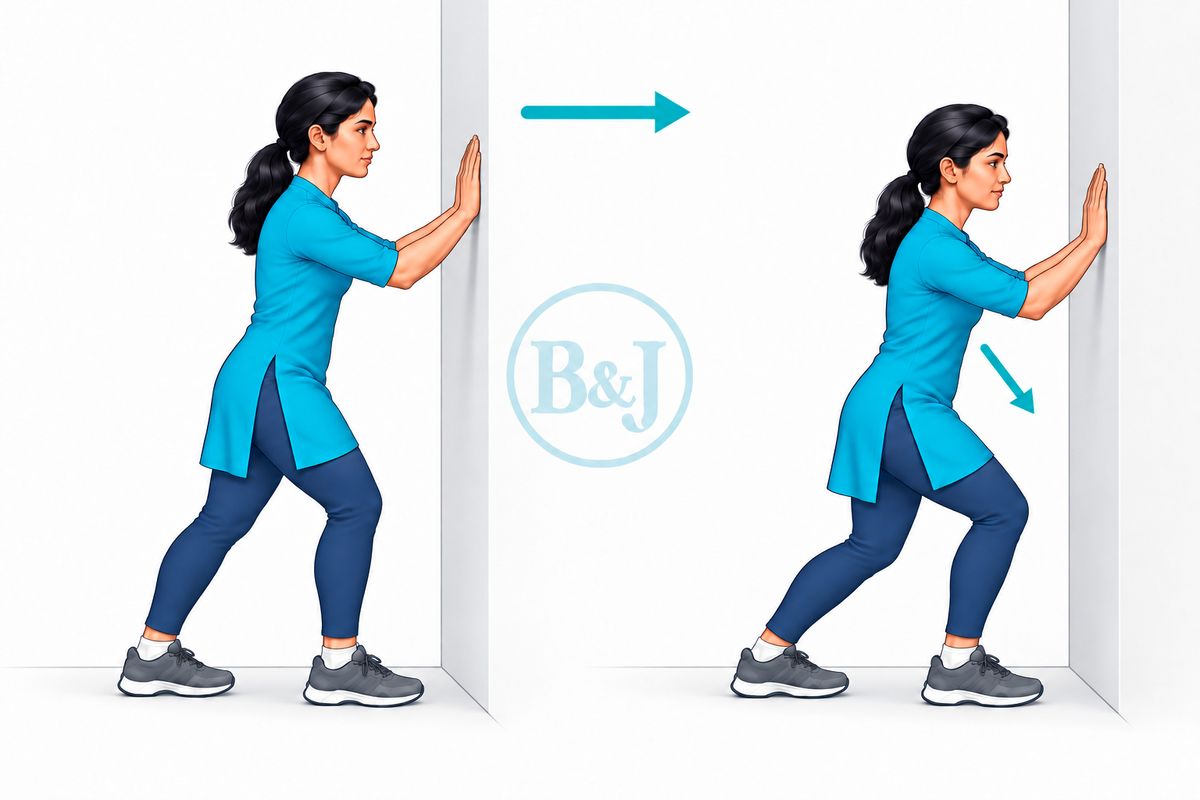
The same position but bend the back knee slightly.
Should feel: A stretch lower down Should not feel: Sharp pain
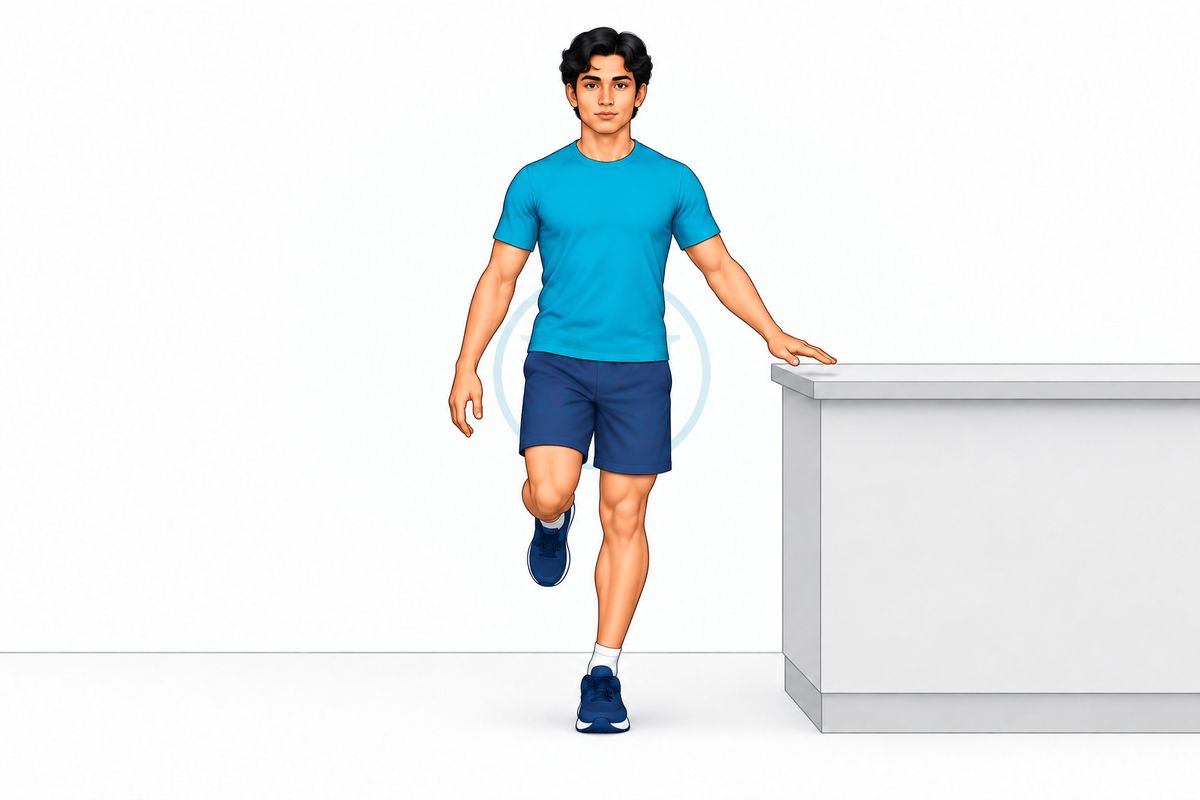
Stand on one leg beside a worktop.
Should feel: Working to stay steady Should not feel: Losing balance — hold on
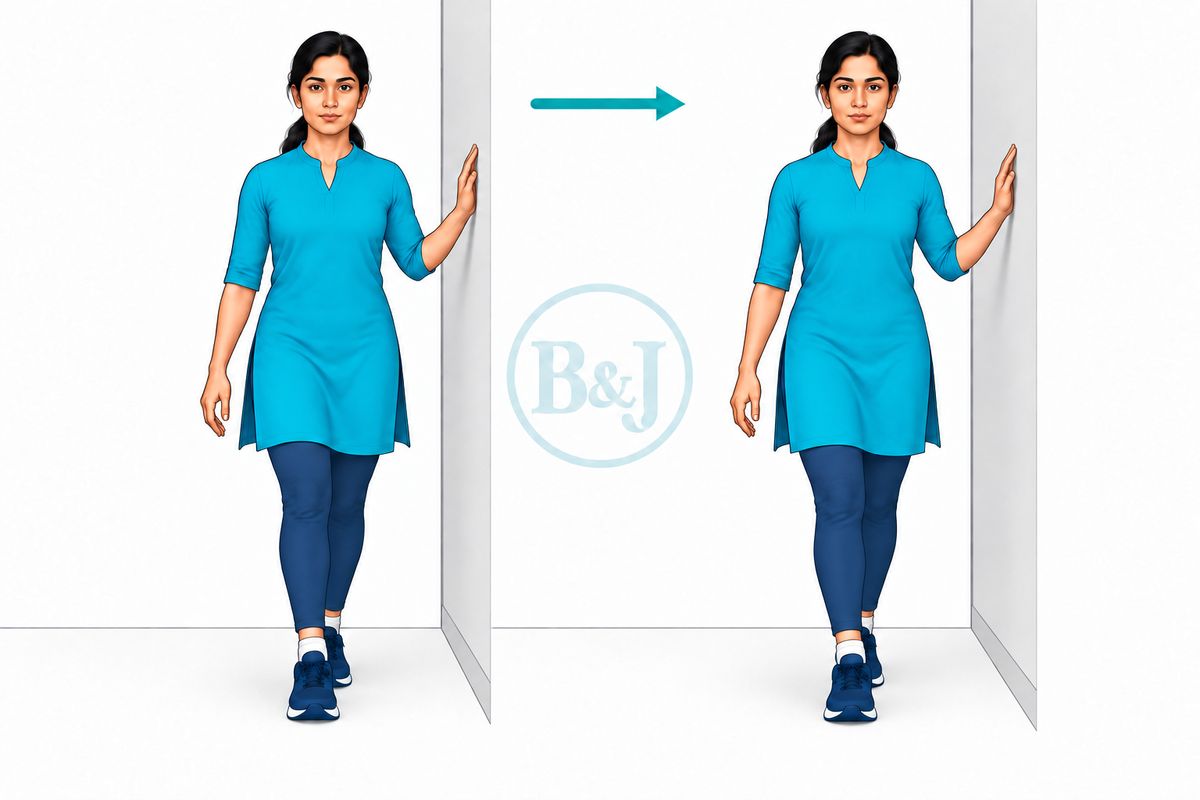
Walk heel to toe along a line, beside a support.
Should feel: Steadier walking Should not feel: Wobbling — use the wall
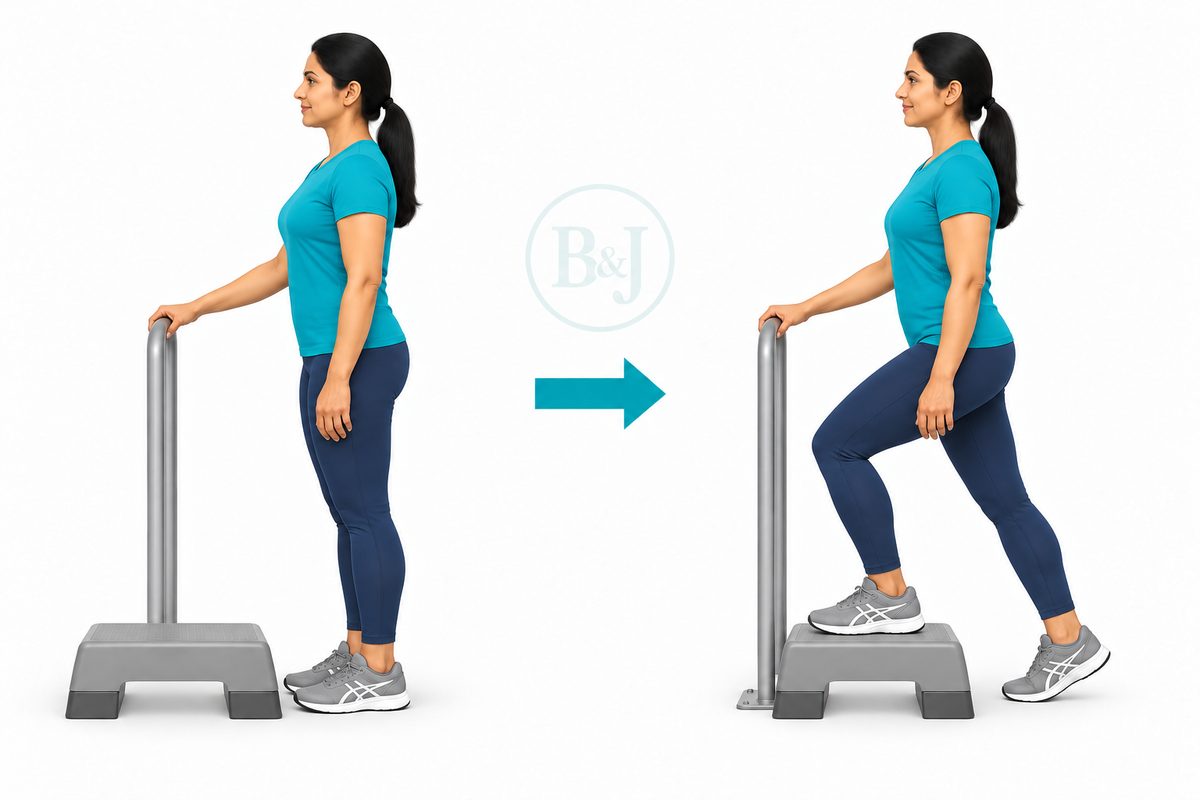
Hold a rail. Step up onto a low step with the operated leg, then step down with the other leg.
Should feel: The thigh working Should not feel: The knee falling inwards
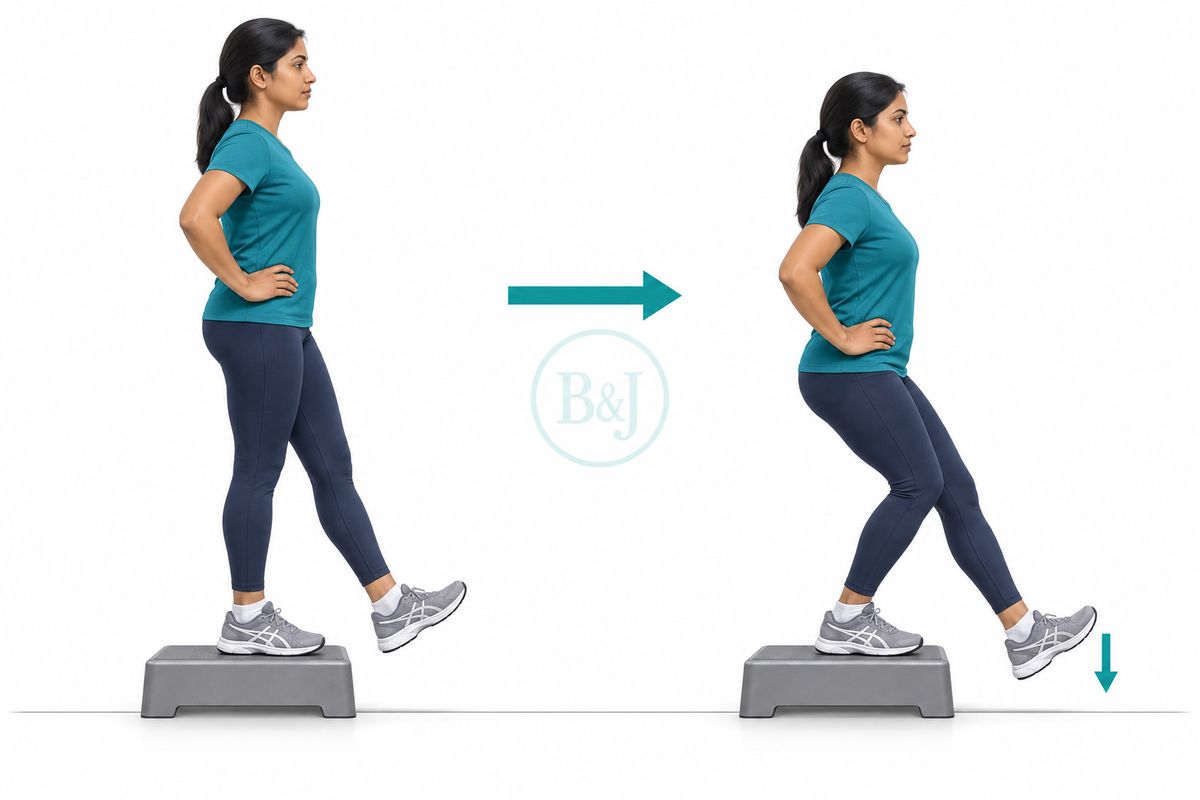
Stand on a low step and lower the other heel slowly towards the floor.
Should feel: Controlled lowering Should not feel: The knee falling inwards
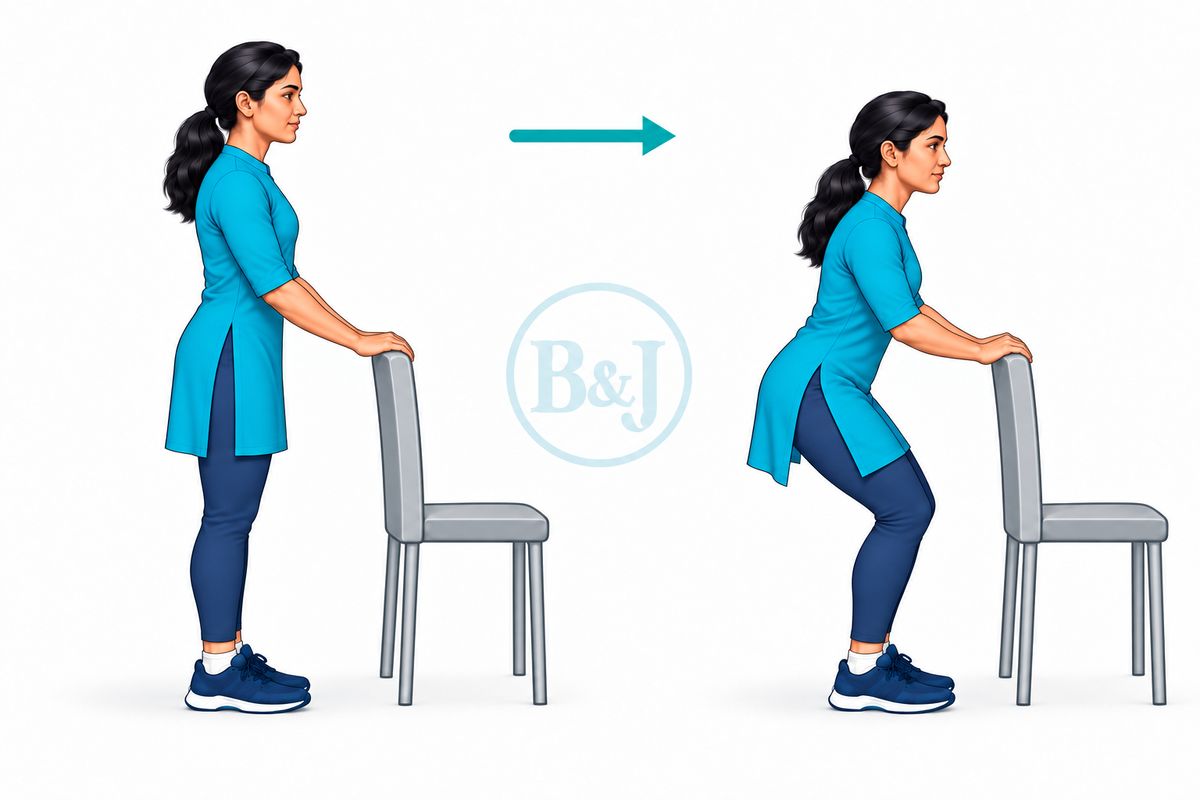
Hold a support and bend the knees a little way.
Should feel: The thighs working Should not feel: Knee pain
Not yet Running or heavy manual work.
Move to the next stage only after we have seen you, and the X-ray if one was planned.
Back to work and sport, as the X-ray shows. Carry on with the third-stage exercises.
Weight bearing Full.
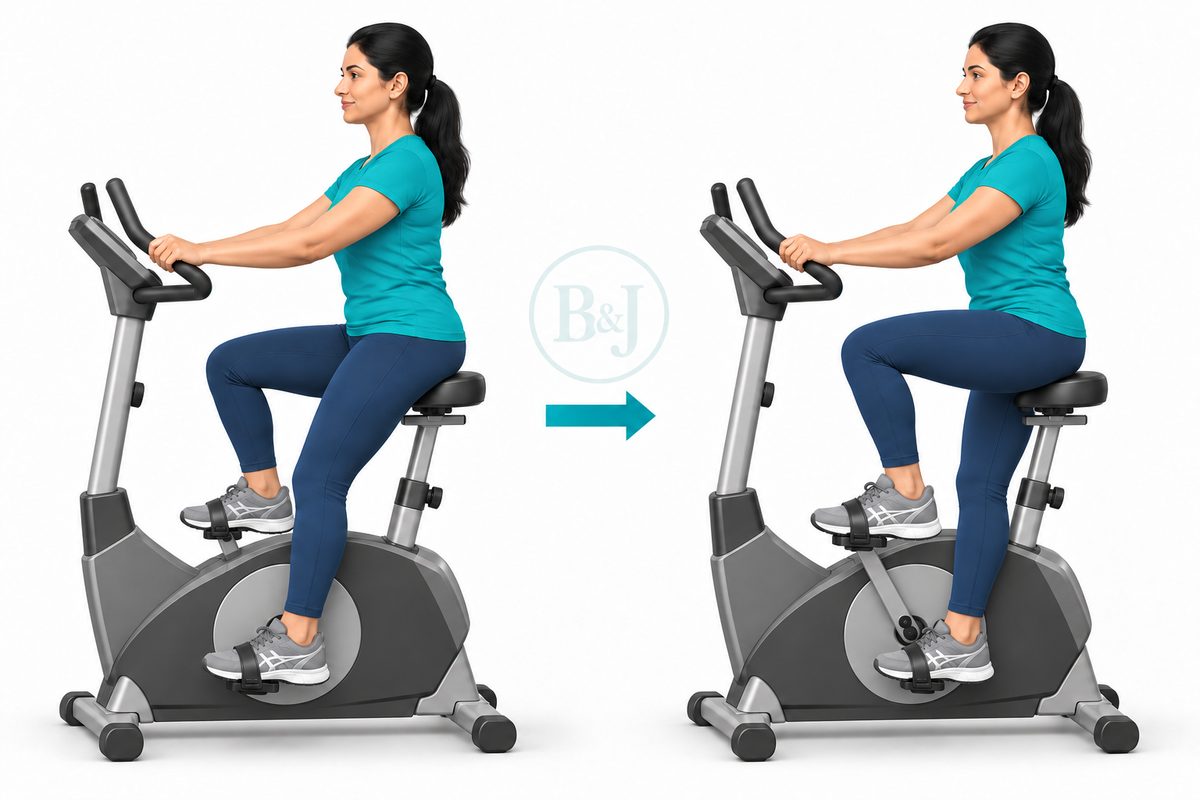
Set the seat high, so the knee is almost straight at the bottom. Pedal gently with little resistance.
Should feel: The knee moving freely Should not feel: Pain in the knee or hip
Not yet Contact sport until we clear you.
Call either clinic during consulting hours, or send a WhatsApp message any time.